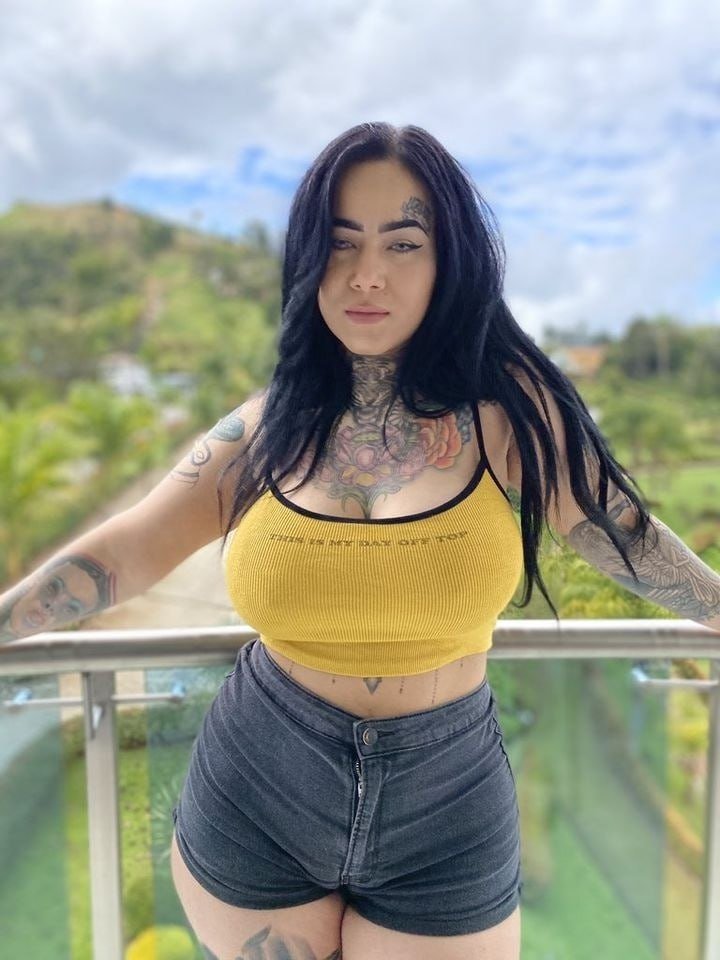

For Manuela Castaño, life is not measured by comfort or applause, but by conscience. Her way of understanding the world is rooted in a simple yet demanding belief: a life well lived is one that does not turn away from suffering, even when turning away would be easier.
Manuela sees life as a constant negotiation between rules and values. Society teaches us how to behave, what is acceptable, and where the limits are. But life, in her view, often asks a deeper question—is what is allowed also what is right? She believes that growth begins when we dare to confront that tension honestly.
Her philosophy is shaped by empathy. Manuela understands that life is unevenly distributed: safety, food, opportunity, and dignity are not shared equally. Because of this, she believes neutrality is an illusion. To do nothing is still a choice—one that often favors comfort over compassion. For her, life gains meaning when we choose to stand closer to those who have less voice and fewer options.
Manuela also reflects on how age, status, or power should never determine whose humanity is respected. She sees life as a cycle where strength is temporary, but vulnerability is universal. Today’s helper may become tomorrow’s one in need. Remembering this keeps arrogance in check and humility alive.
In her understanding, life is not about grand gestures. It is built through small, repeated acts of decency: sharing, listening, caring even when recognition is absent. These actions may not change the world overnight, but they change someone’s world—and that, she believes, is enough.
Ultimately, Manuela Castaño views life as a moral journey rather than a performance. Success is not found in avoiding trouble, but in remaining human when circumstances pressure us to look away. To live fully, in her eyes, is to choose compassion even when it carries a cost—because a life without compassion, no matter how orderly, is a life only half lived.