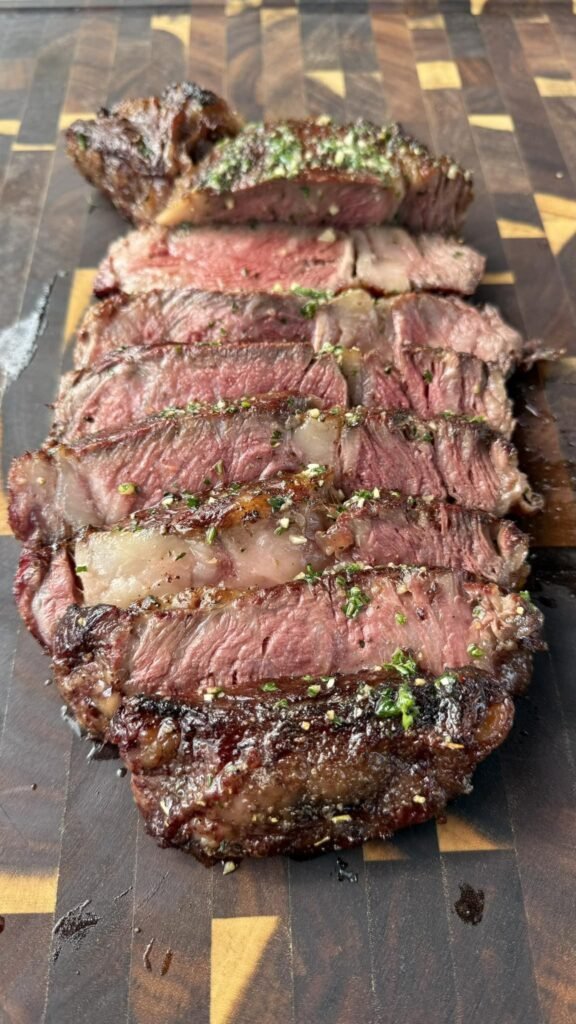
1. Choosing the Right Cut of Steak: Know Your Options
Before you can cook the perfect steak, the first step is choosing the right cut. Each steak cut has its own unique characteristics, offering different levels of tenderness, marbling, and flavor. Understanding these differences is crucial for selecting the right cut that will best suit your taste and cooking method.
Popular Cuts of Steak
Here are some of the most common cuts of steak, each with its own appeal and best cooking methods:
Ribeye
- Flavor: Rich, juicy, and intensely beefy.
- Texture: Tender with ample marbling, making it juicy and flavorful.
- Best For: Grilling, pan-searing.
The ribeye is often considered the best steak for grilling due to its high fat content, which ensures it stays juicy and flavorful when cooked. The marbling also contributes to its rich, beefy flavor, making it ideal for those who enjoy a succulent steak.

Filet Mignon
- Flavor: Mild but buttery.
- Texture: Extremely tender with little fat.
- Best For: Pan-searing, grilling, broiling.
Known for its tenderness, the filet mignon is the most delicate steak you can get, and it’s often the priciest. It doesn’t have the intense flavor of a ribeye but is highly prized for its melt-in-your-mouth softness. It’s the perfect choice for special occasions when tenderness is paramount.
New York Strip
- Flavor: Bold and beefy.
- Texture: Firm, with a chewy bite and slight tenderness.
- Best For: Grilling, pan-searing.
The New York strip has a classic steakhouse flavor that is a perfect balance between the tenderness of a filet mignon and the marbling of a ribeye. It’s a leaner cut but still offers great beef flavor and a satisfying chew.
T-Bone/Porterhouse
- Flavor: Bold and beefy, with two different textures.
- Texture: Combines tenderness of filet mignon and the chewiness of the strip.

- Best For: Grilling, broiling.
A T-bone or porterhouse features both the filet mignon on one side and the New York strip on the other, offering the best of both worlds. These cuts are often grilled and provide a combination of textures and flavors that satisfy any steak lover.
Sirloin
- Flavor: Lean, yet full of flavor.
- Texture: Slightly tougher than other cuts but still tender.
- Best For: Grilling, broiling, or pan-searing.
- https://www.youtube.com/embed/PFaYDtjtWmI?feature=oembed
Sirloin steak is a great affordable option that provides good flavor with a satisfying chew. While not as tender as the ribeye or filet mignon, it’s a great cut for grilling and is usually less expensive, making it a popular choice for casual dinners.
Flank Steak
- Flavor: Intense beef flavor.
- Texture: Lean, with a noticeable grain.
- Best For: Grilling, stir-frying.
Flank steak is long, lean, and full of flavor. It’s best cooked quickly over high heat and sliced thinly against the grain. It’s perfect for fajitas, stir-fries, or steak salads.
Skirt Steak
- Flavor: Bold and intense.
- Texture: Similar to flank steak, but more tender.
- Best For: Grilling or pan-searing.
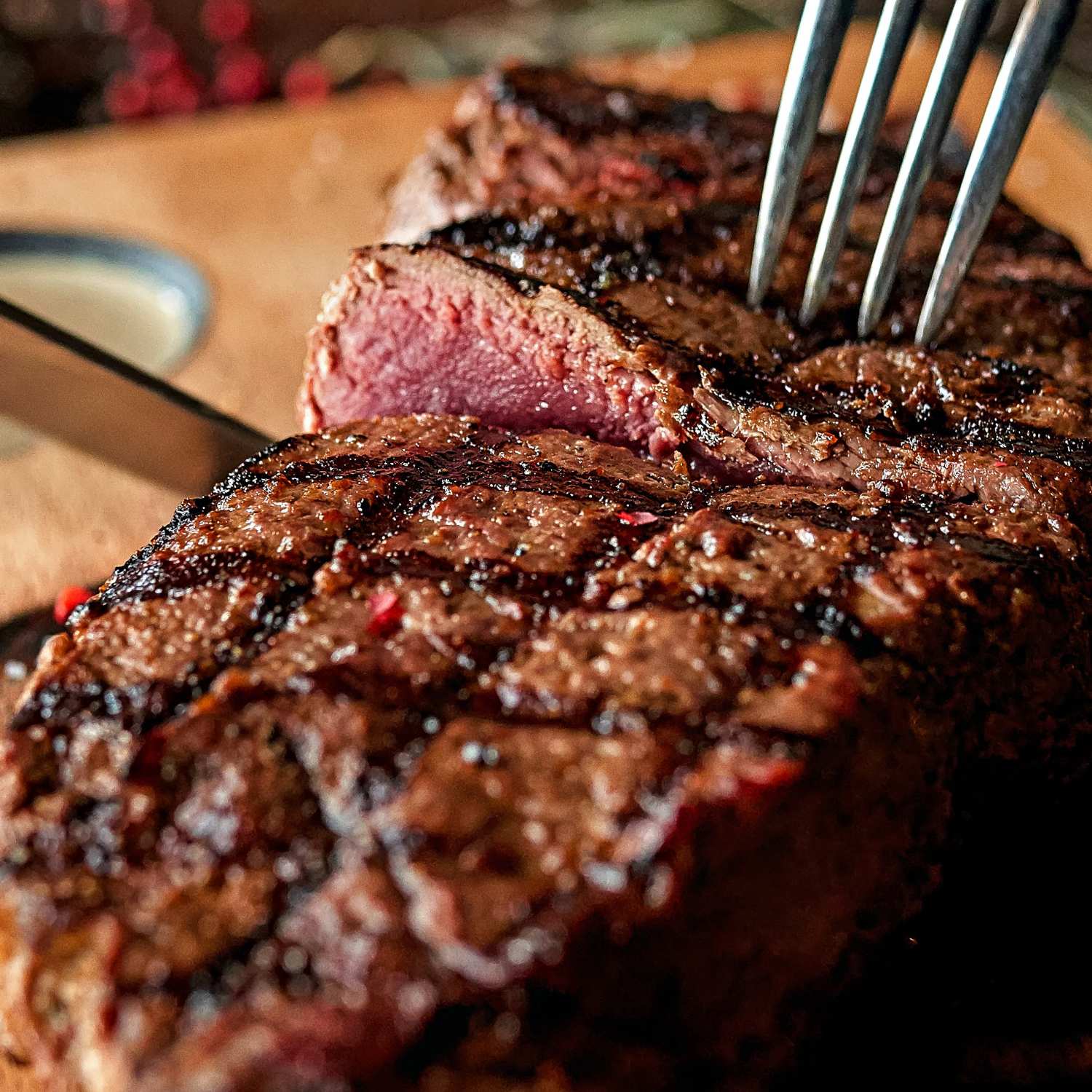
Skirt steak is similar to flank steak but more tender and flavorful. It’s typically used for tacos and stir-fries, and like flank steak, it’s important to slice it against the grain for the best tenderness.
2. Preparing the Steak: Seasoning and Marinating
After choosing your steak, the next step is preparing it for cooking. This includes seasoning, marinating (optional), and allowing the steak to rest to reach room temperature.
Seasoning Your Steak
For the perfect steak, simple seasoning is often best. The salt and pepper combination brings out the natural flavors of the beef without overpowering it. Here’s how to season your steak properly:
- Generously Season with Kosher Salt: Salt helps to break down the proteins and enhances the natural flavor of the steak. Kosher salt is preferred because it has larger crystals and dissolves evenly.
- Freshly Ground Black Pepper: Freshly ground pepper adds spice and depth.
- Rest Before Cooking: Let the steak rest on the counter for 30 minutes before cooking to allow the seasoning to penetrate and bring the steak to room temperature.
Marinades and Rubs
For tougher cuts like flank or skirt steak, marinating can help add flavor and tenderness. A simple marinade can consist of an acid (such as lemon juice or vinegar), oil, and herbs/spices. A basic marinade includes:
- 1/4 cup of olive oil
- 2 tablespoons of soy sauce or balsamic vinegar
- 2 cloves of minced garlic
- Fresh herbs like rosemary or thyme
- A pinch of red pepper flakes for heat
For rubs, combine brown sugar, garlic powder, onion powder, paprika, cumin, and black pepper. Apply the rub generously before cooking for a flavorful crust.
3. Cooking the Perfect Steak: Grilling, Searing, and More
Now that your steak is properly seasoned, it’s time to cook it. There are several methods to cook steak, and each has its pros and cons. The ideal method depends on your preferences and the type of steak you’ve chosen.
Grilling Your Steak
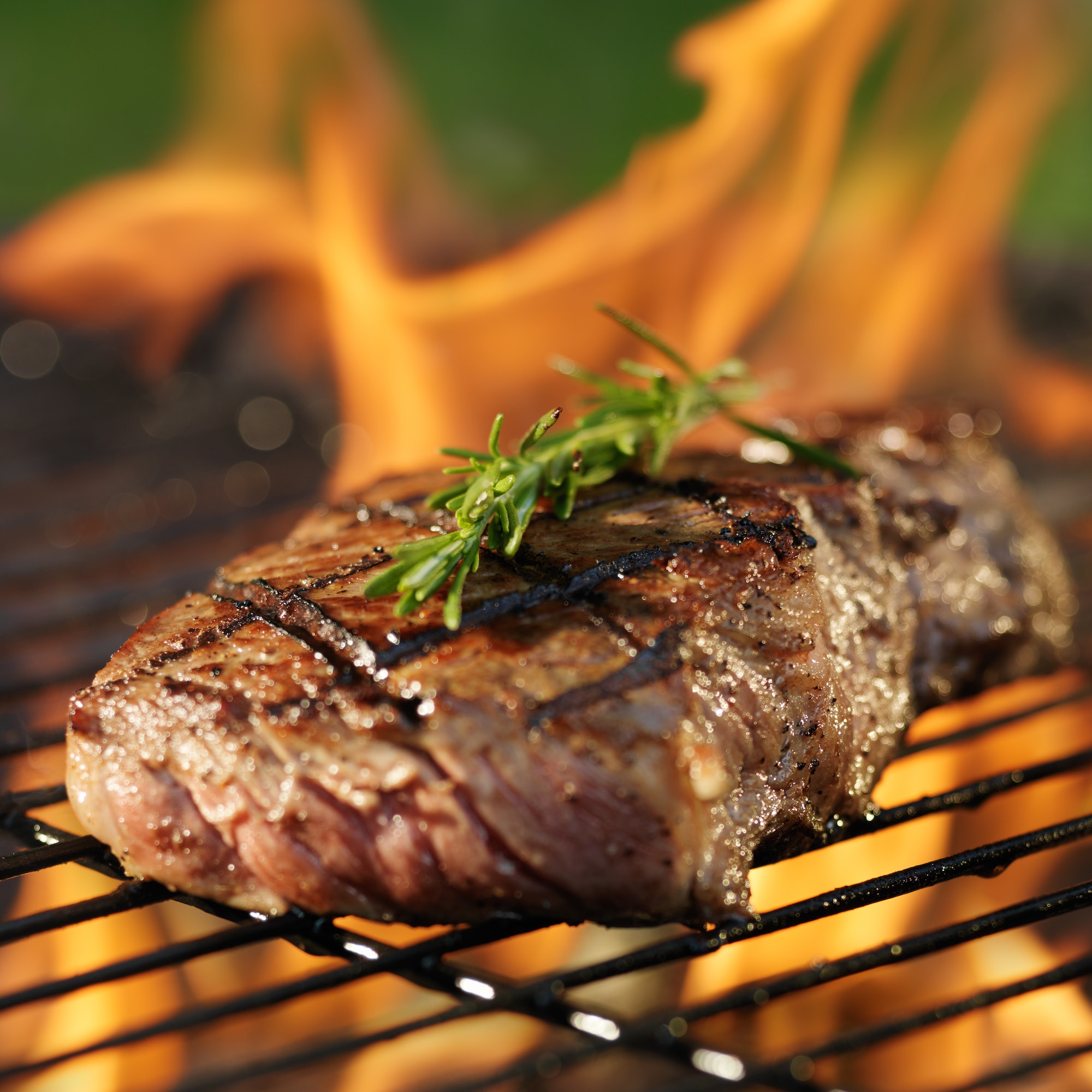
Grilling is the most popular method for cooking steak, and it imparts a smoky flavor that’s hard to beat. Here’s how to grill the perfect steak:
- Preheat your grill to medium-high heat (around 450°F).
- Oil the grill grates to prevent the steak from sticking.
- Place your steak on the grill and cook for the following times:
- Rare: 120-125°F (2-3 minutes per side)
- Medium-rare: 130-135°F (3-4 minutes per side)
- Medium: 140-145°F (4-5 minutes per side)
- Well-done: 160°F+ (6-7 minutes per side)
- Flip only once to achieve a nice crust.’
- Let your steak rest for about 5-10 minutes before serving.
Pan-Searing for the Perfect Crust
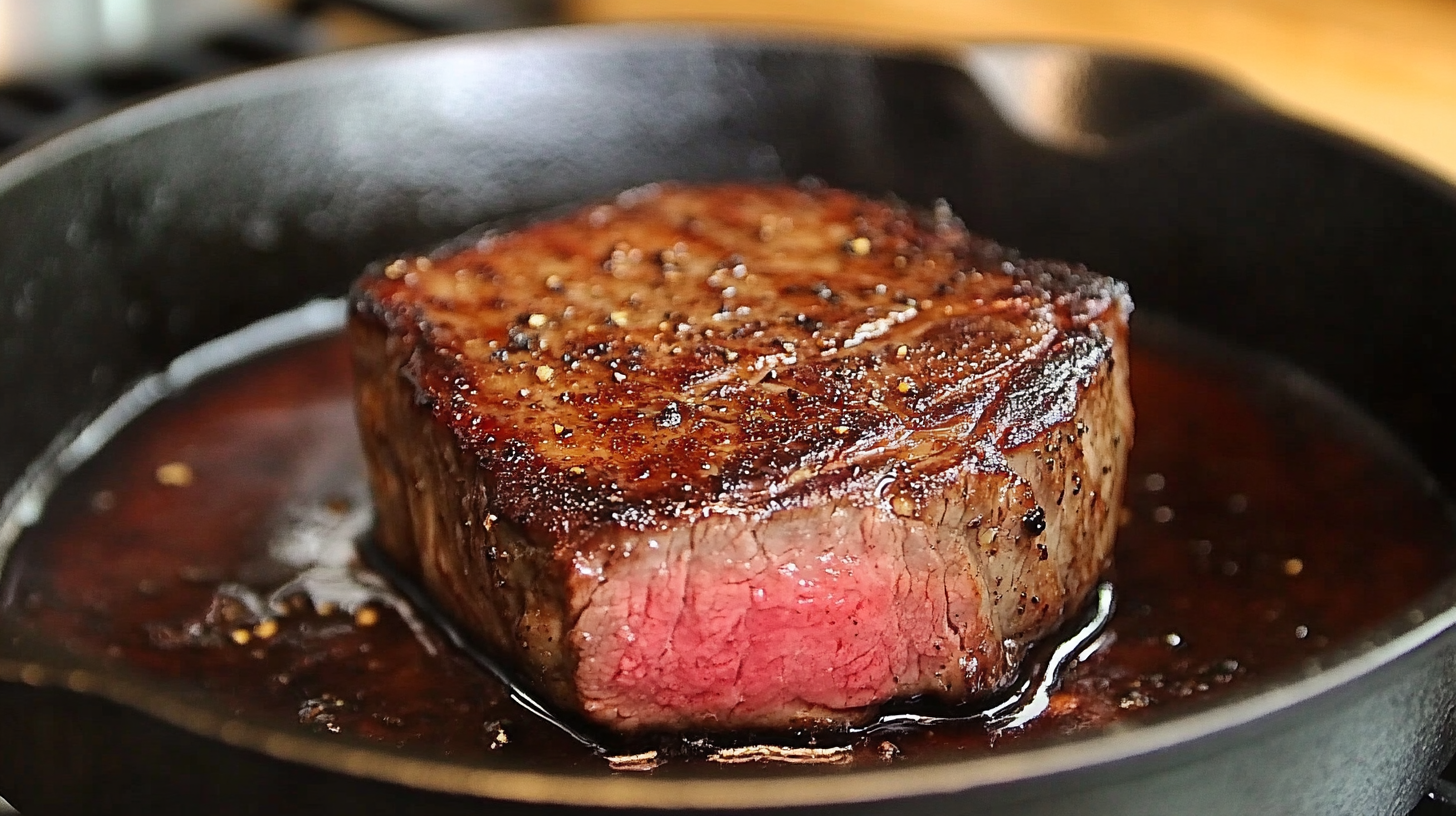
Pan-searing in a cast-iron skillet gives you the crispy crust you crave, with a juicy and tender interior. To pan-sear the perfect steak:
- Preheat your skillet on medium-high heat until it’s smoking hot.
- Add oil with a high smoke point, like vegetable or canola oil.
- https://www.youtube.com/embed/ZJ9Z-HZjmY8?feature=oembed
- Place the steak in the skillet and don’t move it until it develops a crust. Sear for about 3-5 minutes per side.
- In the last minute of cooking, add butter, garlic, and herbs (like thyme or rosemary) for extra flavor.
- Rest your steak for 5 minutes to let the juices redistribute.
Broiling: A Simple and Effective Method
Broiling uses high heat from above, similar to grilling. Here’s how to broil steak:
- Preheat the broiler to high heat.
- Place the steak on the broiling pan and slide it into the oven, about 4-6 inches from the heat source.
- Broil the steak for 3-6 minutes per side, depending on the thickness and desired doneness.
- Rest your steak before slicing.
4. Achieving Perfect Doneness
Every steak lover has their own preference for doneness. The key to cooking the perfect steak is knowing the internal temperature that corresponds to your ideal doneness.
- Rare: 120-125°F – Bright red in the center, very soft.
- Medium-rare: 130-135°F – Warm red center, very tender.
- Medium: 140-145°F – Pink throughout, slightly firm.
- Medium-well: 150-155°F – Slightly pink center, firm.
- Well-done: 160°F and above – No pink, firm.
Using a Meat Thermometer:
To achieve your preferred doneness, a meat thermometer is your best friend. Insert it into the thickest part of the steak, and make sure it doesn’t touch the bone.
5. Serving Your Steak: How to Plate Like a Pro
After all that hard work, it’s time to serve your steak. Here’s how to elevate the presentation:
- Let it Rest: Always let your steak rest for 5-10 minutes after cooking. This helps the juices redistribute and keeps the steak tender.

- Slice Against the Grain: For a tender bite, slice your steak against the grain (the direction of the muscle fibers).
- Pair it with Side Dishes: Classic steak sides include roasted potatoes, grilled vegetables, and creamed spinach.
- Garnish: Finish with fresh herbs, compound butter, or a drizzle of garlic butter to add extra flavor.
Conclusion: The Art of Steak-Cooking
Cooking the perfect steak is about more than just following steps. It’s about understanding your meat, experimenting with different methods, and enjoying the process. Whether you prefer grilling, pan-searing, or broiling, mastering the technique and selecting the right cut is essential to achieving the perfect steak.